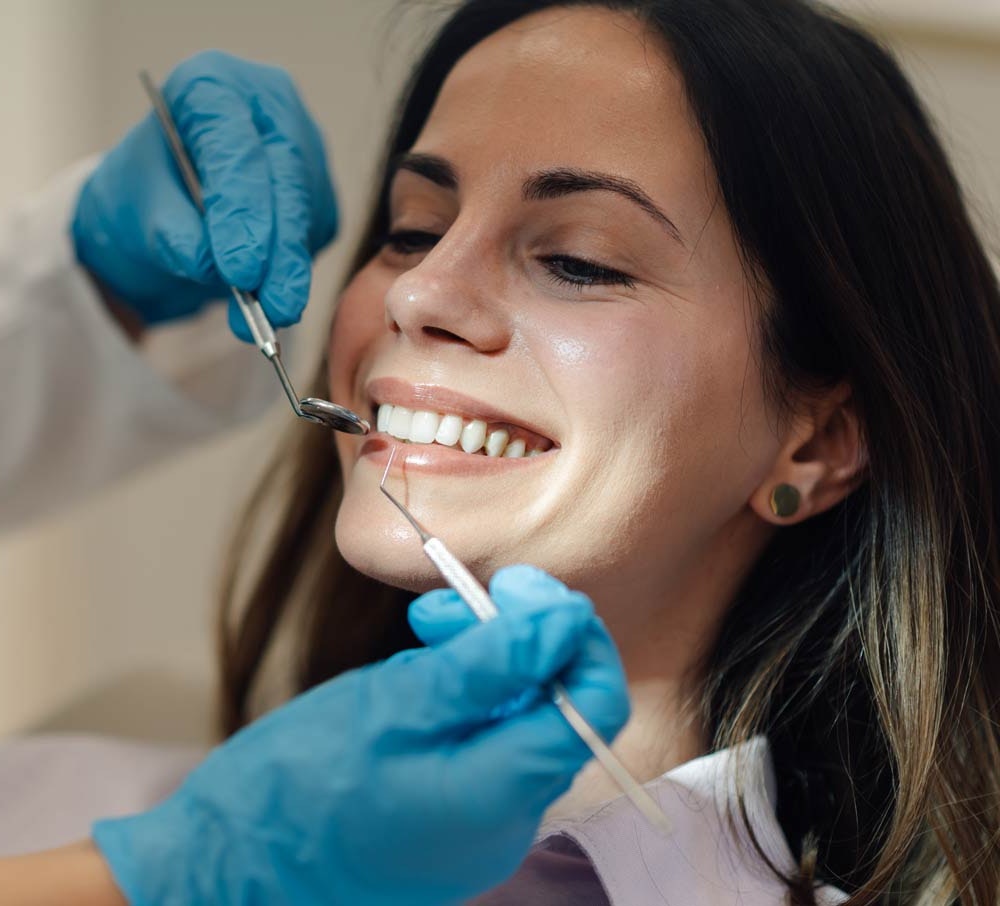
Painless Gum Therapy With a Fast Recovery
Solea PerioGuide is an advanced laser treatment for gum disease that eliminates bacteria and infected tissue from deep periodontal pockets, while leaving healthy tissue unharmed. There’s no need for incisions or sutures, and recovery times are much faster than with traditional gum surgery.
For patients, the biggest benefits are less discomfort during and after the procedure, minimal bleeding, if any, faster healing, and the ability to have your procedure done right in your general dentist's office rather than being referred to a specialist.
Clinical studies have shown that treatment with Solea PerioGuide can reduce deep gum pockets by as much as 7mm and even promote new bone growth in the treated areas. While 90–95% of our patients with periodontal disease are candidates for Solea, certain cases may require traditional surgery. Dr. Brett Helton will provide an honest recommendation during your consultation.
“Very thorough.”
Gum disease is a progressive condition that can cause more problems as it advances. We don’t want there to be financial barriers preventing you from getting the timely care you need. For this reason, we accept:
We accept Blue Cross Blue Shield® dental insurance plans, and will do everything we can to maximize your coverage. Insurance often covers laser gum therapy because it’s considered medically necessary and can prevent tooth loss and other concerns.
If you’re uninsured or have out-of-pocket expenses, we can arrange an in-house payment plan, or you can secure financing through CareCredit®. This third-party lender allows patients who qualify to get the care they need now and pay for it in affordable monthly installments.
Gum disease occurs when stubborn plaque and tartar extend beneath the gumline, where they can no longer be removed with routine cleaning. Gum disease is a progressive condition, but it can be difficult to detect in its earliest stages. Although every patient experiences the symptoms of gum disease differently, the most common signs include:
Without professional treatment, these symptoms can worsen and cause functional and cosmetic concerns, like loose, shifting, or lost teeth. Advanced gum disease has also been linked to an increased risk of heart disease, diabetes, and stroke, making prompt treatment important.
“ I strongly recommend. I did not feel a pinch thru the entire process. They took the time to explain all procedures before they began, during and after. Even gave me a follow up call the next day!!!Remarkable expirience at the dentist.” – Manuel, 5-Star Review
Gingivitis is the early stage of gum disease. It affects only the gum tissue and is reversible with professional cleaning and good at-home care. Periodontitis is what happens when gingivitis goes untreated. The infection spreads below the gumline and starts to destroy the bone that supports your teeth. Once bone is lost, it doesn't grow back on its own. That's why catching gum disease early is so important. Gingivitis can often be resolved in just a few weeks with the right treatment, while periodontitis requires more involved care.
Yes, if you don't keep up with your oral care. Gum disease is caused by bacteria, and that bacteria is always present in your mouth. After treatment, Dr. Helton will likely recommend more frequent maintenance cleanings, typically every three to four months instead of every six, to monitor your gum health and remove any new buildup before it becomes a problem. Brushing twice a day, flossing daily, and keeping up with your maintenance visits is the best way to keep gum disease from returning.
Research has shown a connection between gum disease and several serious systemic conditions, including heart disease, stroke, and diabetes. The bacteria responsible for gum disease can enter your bloodstream and contribute to inflammation throughout your body. For patients with diabetes, the relationship goes both ways: uncontrolled diabetes makes gum disease harder to manage, and active gum disease can make blood sugar more difficult to control. Treating gum disease is about protecting both your smile and overall health.
Columbus Aesthetic & Family Dentistry is the area's premier destination for high-tech, personalized dental care. Led by Dr. Brett Helton, our team looks forward to providing you and your family with the treatment you need to maintain and improve your oral health. We are affiliated with several prestigious organizations, including:
To schedule an appointment at our modern Columbus, GA, practice, contact us online or call: (706) 563-3225